
All contact options are confidential and handled by trained helpline staff.
However, if someone's behaviour begins to feel controlling, frightening, or leaves you feeling unsafe, undermined, or consistently hurt, this may be a sign of domestic abuse. You do not have to be physically harmed for something to be abuse, and your experience and feelings are important.
Abuse is a pattern of behaviour used to gain and maintain power and control over another person. It can take many forms and may include physical, emotional, psychological, sexual, or financial harm, as well as neglect.
Abuse can happen in any kind of relationship, including family, romantic partnerships, friendships, workplaces, and institutions.
Are you, or is someone you know, suffering from abuse?
Get help nowDomestic abuse can include threatening, controlling, or coercive behaviour, as well as different forms of harm such as psychological, emotional, physical, sexual, financial, verbal, or online abuse.
It can happen to anyone, regardless of age, ethnicity, religion, gender, gender identity, sexual orientation, or disability. Abuse may occur within current or former intimate relationships or between family members.
If someone's behaviour makes you feel unsafe, controlled, frightened, or undermined, it is important to know that this is not your fault and support is available.
Sexual violence and abuse can include any behaviour of a sexual nature whether physical, psychological, verbal, or online that is unwanted, makes someone feel uncomfortable, pressured, controlled, or unsafe, or causes harm or distress.
It can happen to anyone, regardless of age, ethnicity, religion, gender, gender identity, sexual orientation, or disability.
If something feels wrong or unwanted, your feelings are valid, and it's important to know that this is not your fault.
Abuse can take different forms. Understanding these can help people recognise when something is not right.
Domestic abuse (sometimes called 'domestic violence' or 'intimate partner violence') is an incident or a pattern of behaviour that is used by someone to control or obtain power over their partner or ex-partner. It is never the fault of the person who is experiencing it, and it is a crime.
Source: Refuge: 'What is domestic abuse'.
The Police Service Northern Ireland (PSNI) 2024/2025 statistics show that on average, police attend a domestic abuse incident every 17 minutes of every day.
What forms can domestic abuse take?
A common myth is that it's only domestic abuse if it involves physical or sexual violence. In fact, many women experience domestic abuse without ever being physically harmed. Remember: non-physical forms of abuse can be as destructive and as undermining as physical violence.
Domestic abuse could involve threatening, controlling, or coercive behaviour, as well as different forms of harm such as psychological, emotional, physical, sexual, financial, verbal, or online abuse.
'Sexual violence' is a term we use to describe any sexual activity that happened without consent. This includes rape, sexual assault, sexual abuse and sexual harassment (to name just a few).
Source: Rape Crisis England & Wales: 'Types of sexual violence'
Sexual violence and abuse can involve any behaviour of a sexual nature whether physical, psychological, verbal, or online that is unwanted, makes someone feel uncomfortable, pressured, controlled, or unsafe, or causes harm or distress.
It can happen to anyone, regardless of age, ethnicity, religion, gender, gender identity, sexual orientation, or disability.
Emotional and psychological abuse is the regular and deliberate use of words and non-physical actions to manipulate, hurt, weaken or frighten a person and to distort, confuse or influence their thoughts and actions. It is also referred to as emotional abuse.
Signs of psychological abuse
It can be hard to spot the signs of psychological abuse. Victims may not understand that what they're experiencing is abuse.
Psychological abuse includes things like:
Source: Safe Lives: 'Psychological abuse'
Physical abuse is defined as any intentional act causing injury or trauma to another person through bodily contact. It is a deliberate act of force that results in harm, injury, or trauma to the victim's body.
This can include a range of behaviours from hitting, slapping, and punching to more severe forms of violence. Physical abuse can have serious consequences for the well-being of the survivor, potentially leading to psychological conditions and complications.
Source: Torbay and Devon Safeguarding Adults Partnership: 'Physical abuse and non-fatal strangulation'
Non-fatal strangulation
The practice typically involves a perpetrator strangling or intentionally affecting their victim's ability to breathe in an attempt to control or intimidate them.
Strangulation often leaves little to no visible signs, but internal damage can be severe.
Studies have shown that victims are eight times more likely to be murdered by their partner if there had been non-fatal strangulation beforehand.
In Northern Ireland, non-fatal strangulation has been made a specific, standalone criminal offence as part of the Justice (Sexual offences & trafficking victims) Act (NI) 2022.
A person found guilty of this could face up to 14 years in prison.
Source: PSNI: 'Non-Fatal Strangulation'
Coercive control is a type of domestic abuse.
It involves the abuser using violence, threats, intimidation, humiliation to control or manipulate another person. The aim is to make the person feel dependent, frightened, or unable to make their own choices. This behaviour often happens alongside other abusive behaviours, including physical, sexual and financial abuse.
The UK government defines controlling or coercive behaviour as:
Source: Home Office: 'Controlling or Coercive Behaviour, Statutory Guidance, What the police and organisations should do to keep victims safe. April 2022'.
What is Harassment?
Harassment is a pattern of repeated, unwanted behaviour that can make someone feel distressed, frightened, or unsafe.
It can take many forms and may happen in person, online, or through other means.
Harassment can include:
Everyone's experience is different, and not all behaviours may be obvious at first. If something feels distressing or makes you feel unsafe, it is important to take that feeling seriously.
Support is available, and you do not have to deal with this on your own.
What is Stalking?
Stalking is a pattern of repeated, unwanted behaviour that can make someone feel distressed, frightened, or unsafe. It often involves ongoing contact or monitoring that feels intrusive or controlling.
While the term "stalking" is commonly used, in Northern Ireland it is usually dealt with under harassment laws.
Stalking behaviours can include:
Some behaviours may seem harmless on their own, but when they happen repeatedly or as part of a pattern, they can have a serious impact.
Stalking may also involve:
If this is happening to you, your feelings are valid. Support is available, and you do not have to manage this on your own.
What is digital and online abuse?
Digital and online abuse is a type of abuse where technology is used to control, threaten, monitor, or harm someone.
This can happen through phones, social media, messaging apps, email, or other online platforms.
It is often part of a wider pattern of abuse, including coercive control.
Digital and online abuse can include:
Image-based and sexual abuse online
Some forms of digital abuse involve the creation or sharing of sexual images without consent. This can include:
These behaviours are serious and can be criminal offences.
Financial abuse is the mistreatment of someone in terms of their money or assets, such as their property. Financial abuse often occurs alongside other forms of abuse.
Financial abuse can include:
Source: Age UK: 'What is financial abuse?'
Human Trafficking
The Act of recruitment, transportation, transfer, harbouring or receipt of persons, by means of the threat or use of force or other forms of coercion, of abduction, of fraud, of deception, of the abuse of power or of a position of vulnerability or of the giving or receiving of payments or benefits to achieve the consent of a person having control over another person, for the purpose of exploitation.
Human trafficking is made up of three elements:
The scale of the issue
Source: Stop The Traffik, 'What is Human Trafficking?'
Sexual Exploitation
Sexual exploitation is a form of abuse where a person is manipulated, deceived, pressured, or forced into sexual activity. It often involves an imbalance of power, where someone takes advantage of a person's vulnerability for their own gain (such as money, status, or control).
It is important to recognise that individuals experiencing exploitation may not always identify it as abuse, and they are never to blame.
Contexts where sexual exploitation may occur:
Sexual exploitation can happen in a range of environments, including:
Source: Stop The Traffik, 'Types of Exploitation'.
Institutional Abuse (also known as 'Organisational abuse') includes neglect and poor care practice within a specific care setting. This could be a hospital or a care home, but also the care you receive in your own home.
Examples of Organisational Abuse
Organisational abuse doesn't have to involve physical violence. It can be something as small as insisting that a person in care must drink their tea at the same time every day.
The abuse can either be a one-off incident or an ongoing culture of ill-treatment. The abuse can take many forms, including neglect, and poor professional practices as a result of the structure, policies, processes and practices in an organisation.
Here are some forms the abuse might take:
Source: Ann Craft Trust, 'What is Institutional Abuse? Definitions, Signs & Symptoms'
What is honour-based violence (HBV) and forced marriage?
Honour-based abuse is 'an incident or crime involving violence, threats of violence, intimidation coercion or abuse (including psychological, physical, sexual, financial or emotional abuse) which has or may have been committed to protect or defend the honour of an individual, family and/ or community for alleged or perceived breaches of the family and/or community's code of behaviour'. Domestic abuse is a form of honour-based violence (HBV), but the key difference is the number of people involved and the level of involvement of wider family and community. HBV is related to the overall control a family has over a woman's behaviour. In a case of HBV, there may be a large number of potential perpetrators, and an even higher number of persons willing to plan or be involved in violent acts.
Forced Marriage Protection Order
A Forced Marriage Protection Order (FMPO) is a type of injunction (court order) which can stop the person(s) forcing you to marry from doing certain things such as making marriage arrangements or using threatening behaviour.
It also ensures the person named in the order does certain things, for example, handover passports to the court or ensure a young person attends school.
You can apply for a FMPO if:
The marriage does not have to have taken place for you to gain protection.
An order can be made against one or more people living in the UK or abroad, who is, or has been, involved in making any form of forced marriage arrangements or manipulating the victim through abuse or harassment.
This could be a close family member such as mother, uncle, cousin or someone who is previously unknown, such as a person in the wider community or a religious leader.
Source: Gov.wales: 'Honour-based violence and forced marriage'.
Leaving an abusive relationship is not always straightforward. There are often many barriers emotional, psychological, financial, and concerns about safety that can make leaving feel difficult or even dangerous.
When thinking about why someone may stay, it is important to consider the risks of leaving. For many, leaving can increase the danger, and their fears are real and valid. Responsibility always lies with the person causing harm.
Understanding these challenges helps us offer compassionate, non-judgemental support.
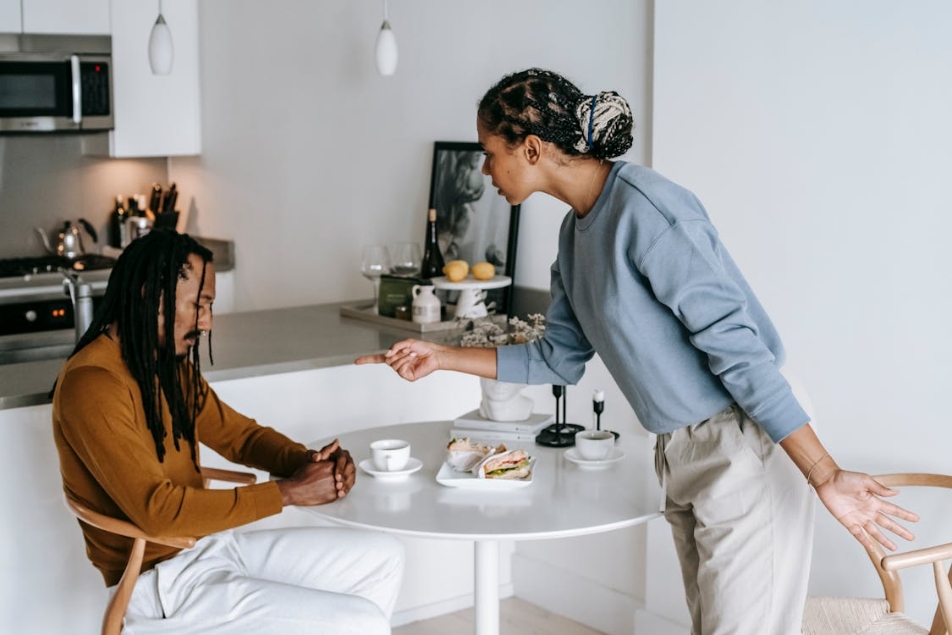
The risk of harm can increase after leaving, and threats may involve children or custody.
Being cut off from support networks can make it harder to reach out or recognise what is happening.
Ongoing abuse can affect confidence, making it harder to feel able to leave.
Someone may feel embarrassed, doubt their experience, or struggle if the abuser denies or minimises the harm.
Control over money, housing, or immigration status can limit options.
It can feel overwhelming to speak about abuse or to know where to turn.
Leaving or seeking help takes courage, and support is available. This can include finding a safe, private space to make a call or accessing practical help such as transport through the Domestic and Sexual Abuse Helpline.
You can support someone by offering a safe, non-judgemental space to talk. Listen, believe them, and let them know you are concerned about their wellbeing.
Talking about abuse can feel overwhelming, and they may feel guilt or self-blame. Gently remind them that what is happening is not their fault and that they are not alone.
If they feel ready, you can encourage them to contact the Domestic and Sexual Abuse Helpline for confidential support. Your understanding and reassurance can make a meaningful difference.
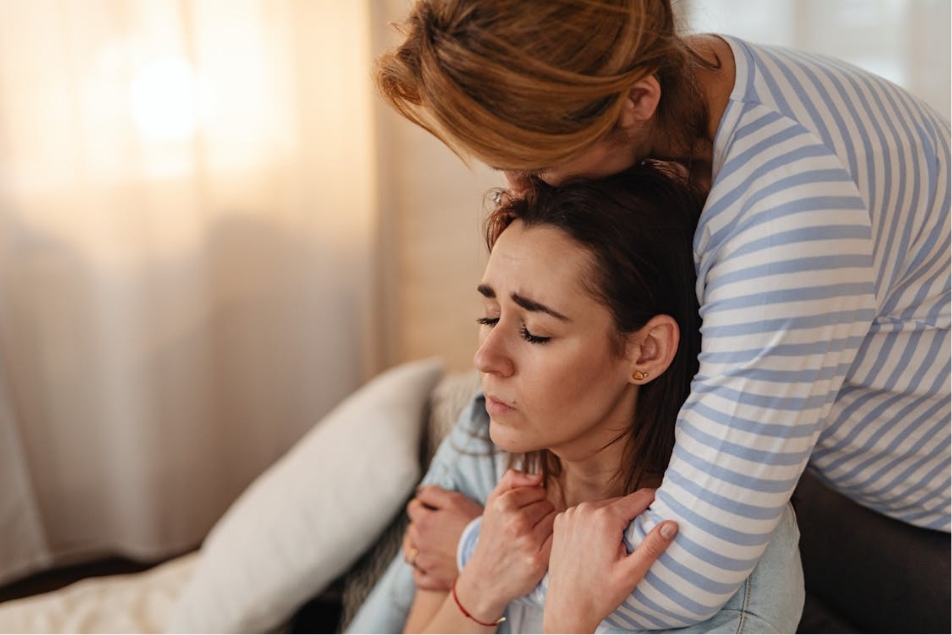
Abuse can happen to anyone, and it is not always easy to recognise especially when it develops gradually. The signs may look different for everyone, but if something doesn't feel right, it's important to trust your instincts.
Some common signs that someone may be experiencing abuse include:
Someone may try to control what you wear, where you go, who you see, or your access to your phone, money, or daily decisions. This can begin subtly and increase over time.
Being distanced from friends, family, work, or support networks, or being made to feel guilty for spending time with others.
Feeling more anxious, withdrawn, unsure of yourself, or frequently apologising.
Being criticised, blamed, or made to feel worthless, whether in private or in front of others.
Walking on eggshells, avoiding certain topics, or changing your behaviour to prevent conflict.
Limited access to money or essentials, monitoring spending, or being prevented from working or studying.
If any of these feel familiar, you are not alone. Support is available, and you deserve to feel safe and respected.
Domestic and sexual abuse can affect many areas of a person's life. The impact may be immediate or long-lasting, and everyone's experience is different.
Abuse is never your fault, and support is available at any stage.
Experiences of abuse can have a deep impact on how someone feels and copes day to day. This may include:
These are common responses to trauma, and with the right support, recovery is possible.
Abuse can affect physical health in both visible and less visible ways, including:
Some effects may not appear straight away and can develop over time.
Abuse can affect how someone connects with others and manages everyday life. This might include:
These experiences may be shaped by both the impact of abuse and attempts by the person causing harm to isolate or control.
Abuse can also affect financial stability and access to resources, for example:
This can make it harder to seek help or make changes, but support is available
Children and young people can be affected by abuse, even if they are not directly harmed.
Seeing, hearing, or living in an environment where abuse is happening can have a significant impact on their wellbeing and development.
They may:
These are natural responses to difficult experiences. With the right support, children and young people can begin to feel safer and recover.
In Northern Ireland, the Domestic Abuse and Civil Proceedings Act (2021) recognises that children and young people can be victims of abuse in their own right, including when they see, hear, or are present during abuse. This reflects the serious impact abuse can have on their lives.
Source: Domestic Abuse and Civil Proceedings Act (Northern Ireland) 2021
Experiences of abuse can continue to affect someone over time, especially without the right support.
This may include:
These are understandable responses to difficult experiences. With the right support, healing is possible, and many people go on to rebuild their lives in ways that feel safe and meaningful.
We understand that different people may need different types of support.
If another service may be better suited to your situation, we can help signpost you to relevant organisations and specialist support services.
Select an option to find services that may be relevant to you.
Myths and misconceptions about domestic and sexual abuse can prevent people from recognising what is happening, seeking support, or feeling believed. Challenging these helps create a safer environment for anyone affected.
Below are some of the most common myths - and the facts that dispel them.
Fact
Abuse can happen in any relationship - regardless of age, sexual orientation, gender background, income, culture, religion, or education. Abusers often hide their behaviour, and people experiencing abuse may appear outwardly “fine.”
Source: Galop: Myths and stereotypes about partner abuse among lesbian, gay, bisexual, and transgender (LGBTQ+) people.
Fact
Men can and do experience domestic and sexual abuse, regardless of their size, strength, age, or sexual orientation. Shame, stigma, and fear of not being believed can make it harder for men to reach out for help. Barriers to speaking up can also be shaped by the age they were when the abuse occurred, their relationship to the perpetrator, how someone understands an unwanted sexual experience, how others respond to disclosure, and wider societal attitudes around masculinity, gender and abuse.
Source: University of Brighton: Brighton research reveals hidden sexual abuse of men and barriers to seeking support, 2023.
Fact
Abuse is not always physical. Coercive control, intimidation, emotional harm, sexual violence, financial restriction and online abuse are all forms of domestic abuse.
Source: Women's Aid: Myths about domestic abuse.
Fact
False reports of domestic and sexual abuse are extremely rare (CPS, 2022). Most victims underreport rather than exaggerate, often due to fear, shame, or safety concerns, with less than 1 in 5 survivors feeling able to go to the police.
Source: Women's Aid: Myths about domestic abuse.
Fact
Partner abuse does not discriminate. It can occur across all groups and communities, regardless of sexual orientation, gender identity, culture, age or background. Some unique barriers - like fear of being “outed”- may make it even harder to seek support.
Source: Galop: Myths and stereotypes about partner abuse among lesbian, gay, bisexual, and transgender (LGBTQ+) people.
Fact
Leaving an abusive relationship can be dangerous and is often the most dangerous stage. Abuse builds over time. People may stay due to fear, financial dependence, children, hope things will improve, or threats to their safety.
Source: Women's Aid: Myths about domestic abuse.
Fact
These factors may increase conflict, but they do not cause abuse. Abuse is a choice made by the person using harmful behaviour.
Source: Women's Aid: Myths about domestic abuse.
Fact
An abuser may justify their behaviour by saying things like “I’m sorry, I was having a bad day” or “I didn’t mean it.” This can make you doubt whether your concerns about their behaviour are valid. They may also place blame on you or others to take responsibility away from themselves. However, abusive behaviour often follows a cycle - tension, incident, apology, calm - before repeating. Apologies alone do not take away the abuse.
Source: Safety net: 5 Myths About Domestic Abuse.
Fact
Most sexual abuse is carried out by someone the victim knows—partners, family members, friends, or acquaintances – as evidence shows that 2 in 5 rapes against women are carried out by their partner or ex-partner. Consent must be freely given every time, whether it’s within a relationship or not.
Source: Rape Crisis England and Wales: Myths vs Facts.
Fact
False allegations of rape are extremely rare. In fact, most people who are raped or experience another form of sexual violence never tell the police.
Source: Rape Crisis England and Wales: Myths vs Facts.
Fact
An estimated 90% of children whose parents are in an abusive relationship witness the abuse. When a child witnesses domestic abuse it is child abuse. The trauma can have a long-lasting emotional and psychological effect on them.
Source: Somerset Domestic Abuse: ‘Busting the myths’ about domestic abuse.
These misconceptions can silence victims, minimise their experiences, or prevent them from seeking help. Understanding the reality of abuse helps create safer communities where people feel supported and believed.
Domestic and sexual abuse affects many people across our communities. It comes in many different forms, and happens to people from all walks of life.
have been raped or sexually assaulted since the age of 16. 1
have been raped or sexually assaulted as an adult. 2
have suffered from abuse from a current partner. 3
individuals reported experiencing sexual assault since the age of 18. 4
experienced domestic abuse in the past year. 5
will have experienced domestic abuse at some point in their lives 6
may experience domestic abuse, research shows. 7
will experience domestic abuse in their lifetime. 8
of domestic abuse crime victims were male in 2024/25 in Northern Ireland. 9
according to Police Service of Northern Ireland statistics (2024/25). 10
will experience domestic or family violence in their lifetime. 11
Sources:
Rape Crisis England & Wales (1)
ONS: Sexual offences prevalence and victim characteristics, England and Wales, March 2025 (2)
Safe Lives: Disabled people and domestic abuse spotlight, 2019 (3)
Galop: Sexual Violence: A snapshot of those harming LGBT+ people, 2023. (4)
Age UK: Shining a spotlight on domestic abuse in older people, December 2025. (5)
Parliament UK: Tackling inequalities faced by Gypsy, Roma and Traveller communities (6)
PSNI: LGBT Community (7)
Women’s Aid: Domestic Abuse: Facts and Figures (8)
NISRA: Almost one in five crimes involved domestic abuse, November 2025 (9)
PSNI: Domestic Abuse Statistics, 2025 (10)
PSNI: PSNI supports LGBTQ+ Domestic Abuse Awareness Day to highlight hidden harm and encourage reporting, 28th May 2026 (11)

an increase of 286 on the previous 12 months.
Sources:
PSNI: Domestic Abuse Incidents and Crimes Recorded by The Police in Northern Ireland, December 2025.