About the Helpline.

The 24-hour Domestic and Sexual Abuse Helpline provides a safe and confidential space for anyone affected by domestic or sexual abuse in Northern Ireland to access information and support.

The service is funded by the Department of Health, Department of Justice and Department for Communities.

Call us now on 0808 802 1414 or email help@dsahelpline.org

Hero phone

If you need support, you can contact us in the way that feels most comfortable for you. The DSA helpline is a free, confidential service for anyone aged 18+, providing 24/7, 365-day support.

All contact options are confidential and handled by trained helpline staff.

Call us for FREE

0808 802 1414

Chat to us

24/7 Live chat

If you or someone else is in immediate danger, call 999

What we do

The Domestic and Sexual Abuse Helpline provides confidential information, support and signposting to anyone impacted by domestic and/or sexual abuse across Northern Ireland.

Our trained operators offer a safe, non-judgemental space to talk through concerns, understand your options and access support services.

The Helpline is free and available 24 hours a day, 365 days a year.

A woman talks on the phone using a headset

Who we help

The Helpline supports:

  • Anyone aged 18+ experiencing or at risk of domestic and/or sexual abuse
  • Friends or family members who are concerned about someone they believe may be experiencing abuse
  • Professionals supporting individuals affected by domestic or sexual abuse
A woman sits crosslegged in a chair with her head in her hands.

Hosted by Nexus

The Domestic and Sexual Abuse Helpline is managed and delivered by Nexus, Northern Ireland's leading organisation supporting people impacted by sexual abuse and abusive relationships.

For over 40 years, Nexus has delivered specialist services that support individuals to recover from trauma and enable positive change in their lives.

Nexus has delivered the Helpline for the past 7 years, providing confidential, trauma-informed support to people across Northern Ireland.

The Helpline is delivered by Nexus on behalf of the Department of Justice, Department of Health and Department for Communities.

Frequently Asked Questions

No. The helpline is open to anyone aged 18+ who is experiencing, or has experienced, domestic or sexual abuse, including sexual violence.

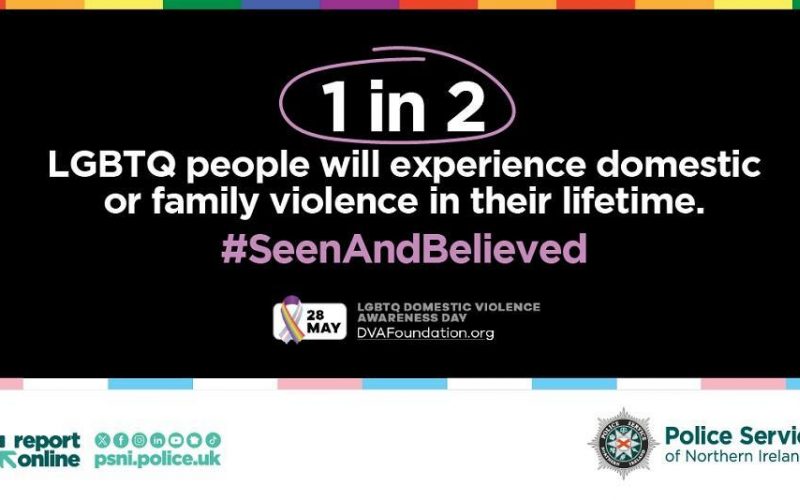
We welcome calls from people of all genders and backgrounds, including men and people from LGBTQ+ communities.

Our team includes both male and female helpline operators. If you feel more comfortable speaking with someone of a particular gender, you are welcome to let us know when you call. We will always do our best to accommodate your preference, although this may not always be possible.

When you contact the helpline, you will be connected to a trained helpline operator who will listen and support you in a confidential, non-judgemental way.

You are in control of what you choose to share, and you can take things at your own pace.

If it feels helpful, the operator can talk through your options and may suggest other services or support that could meet your needs.

What to expect when you contact us

The helpline offers a supportive space to talk and explore what’s happening for you, but it is not a counselling service.

If it feels helpful, the helpline operator can talk with you about other support options, including counselling or more specialised services through trusted partner organisations.

You are free to decide what feels right for you, and we can support you in exploring your options at your own pace.

No. The helpline is a non-judgemental space where you can talk openly, if and when you feel ready.

Helpline operators are here to listen, support, and believe you. You can share as much or as little as you feel comfortable with.

We don’t ask for detailed accounts, as revisiting experiences can sometimes feel overwhelming, and your wellbeing is our priority.

No. The helpline does not create records for legal purposes.

We only collect a small amount of information to help us understand who we are supporting and to improve our service. This information is used anonymously wherever possible.

If you would like us to make a referral on your behalf, we will only ask for the details needed to do this, and we will explain this to you.

You are in control of what you choose to share, and your privacy is important to us.

Yes. When you contact the helpline, your call is confidential.

In most situations, what you share will not be passed on to anyone else without your permission.

There are some circumstances where we may need to share information to help keep you or someone else safe. This may happen if:

  • You ask us to share information or make a referral
  • There is a serious risk to your life or someone else’s life
  • A child may be at risk of harm
  • There are concerns about a serious crime

If this situation arises, we will always try to talk this through with you and explain what is happening and why, wherever possible.

Your safety, privacy, and wellbeing are important to us, and we are here to support you in a way that feels safe and respectful.

Yes. You are welcome to contact the helpline in a way that feels most comfortable for you.

If you are able to, you can use a translator when you call. If not, we can arrange a translation service to support the conversation.

You may also find it easier to contact us through email or webchat, where translation tools can help us communicate with you.

We will do our best to support you and make communication as accessible as possible.

Yes. You are welcome to contact the helpline in a way that works best for you.

If you are Deaf, hard of hearing, blind, or have a visual or speech impairment, there are different ways to get in touch:

  • You can use webchat or email instead of a phone call
  • Our webchat is compatible with assistive technologies, such as screen readers and text-to-speech tools

If you have specific communication or access needs, we will do our best to support you in a way that feels accessible and comfortable.

Yes. You are welcome to contact the helpline whatever your situation may be.

You do not have to be ready to leave, or make any decisions, to reach out for support. We understand that every situation is different, and you can take things at your own pace.

Our helpline operators are here to listen, support you, and explore options with you in a way that feels safe and right for you.

Yes. You are welcome to contact the helpline if you are worried about someone else.

We can support family members, friends, and professionals who have concerns, and help you think through how best to support the person in a way that feels safe and appropriate.

We understand that it can be difficult to know what to do, and you don’t have to figure it out on your own.

Our helpline is supported by a team of trained operators, all of whom are here to listen and support you in a confidential and non-judgemental way.

We’re not always able to connect you with the same operator each time, as our team may be supporting other people. However, every operator will aim to provide consistent, understanding support.

You are welcome to share as much or as little as you feel comfortable with each time you call.

You are in control of what you choose to share. There is no expectation to go into detail unless you want to.

You can share as much or as little as feels comfortable, and you can take things at your own pace.

The helpline is here to listen and support you, whatever you feel ready to say.

In most situations, what you share with us will not be passed on to the police or anyone else without your permission.

There may be times when we need to share information to help keep you or someone else safe. This might happen if:

  • A child may be at risk of harm
  • There is a serious risk of harm to you or someone else
  • There is an immediate danger to life

If this situation arises, we will always try to talk this through with you and explain what is happening and why, wherever possible.

Our aim is to support you in a way that feels safe, respectful, and transparent.

We may ask a few questions about things like your age, background, or the area you live in. This helps us understand who we are supporting and make sure our service is reaching a wide range of people.

You do not have to answer these questions if you don’t want to.

Any information you choose to share is kept separate from your identity and is used anonymously.

Yes. You are very welcome to contact the helpline.

Our operators are here to listen and support you, whatever your experience and wherever you are in your journey.

If it feels helpful, we can also talk through options for further support, including resources or referrals to other services. You can take things at your own pace and share only what feels comfortable for you.

If you’re under 18, this helpline isn’t the right service but you’re not alone, and you deserve support.

You can contact Childline on 0800 1111 or online. They’ll listen, take you seriously, and you can share as much or as little as you feel comfortable with.

If it doesn’t feel safe for you to call the helpline, that’s completely okay - your safety matters.

You can reach out through our email or chat service instead, if that feels more comfortable. If you’d prefer, you could also ask someone you trust, like a friend or family member, to contact us on your behalf.

You can take this at your own pace and choose whatever feels safest for you.

If you have a compliment or complaint you can get in touch by sending a letter to 59 Malone Road, Belfast BT9 6SA or emailing info@dsahelpline.org.

If you would like to receive merchandise for the helpline or have any related queries about advertising it, please reach out to the host’s communications team at communications@nexusni.org

Our Impact

Our Support

Since the launch of our "We Are Here" campaign, the helpline has supported people across Northern Ireland through over:

6,300+ contacts

That's calls, emails and webchat messages from individuals seeking support, information and guidance.

Behind every contact is someone reaching out for support, often during a difficult and uncertain time.

A woman talks on the phone using a headset

Our Campaigns

We run campaigns to raise awareness of domestic and sexual abuse, highlight key issues, and ensure people know how to access support.

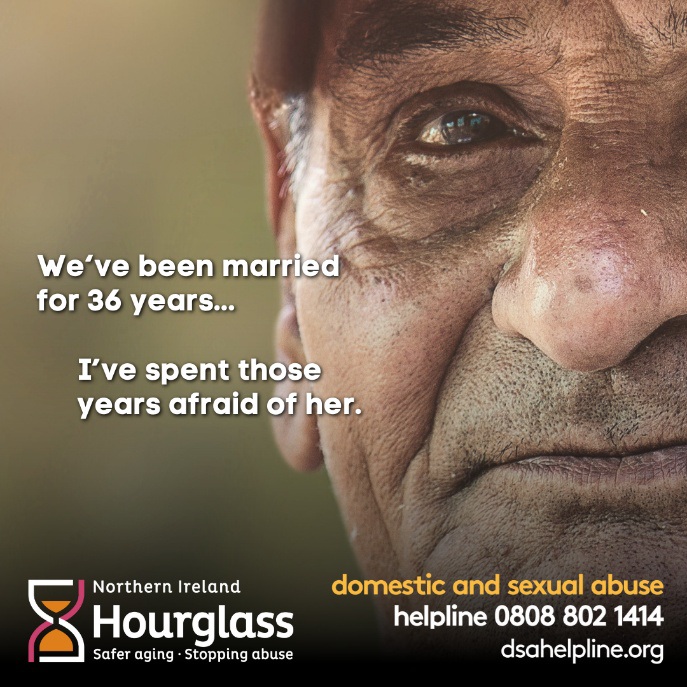
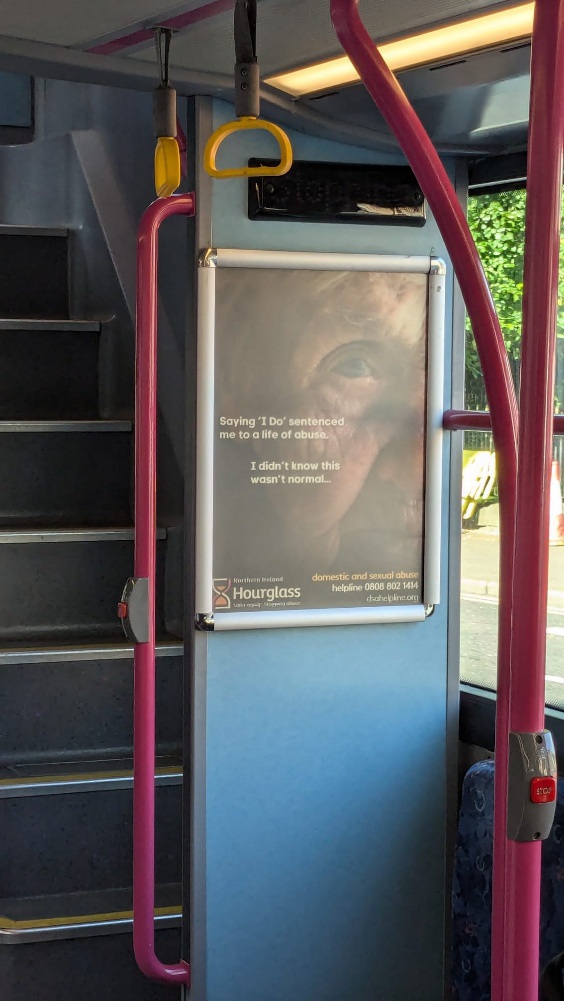
Supporting Older People

In partnership with Hourglass Northern Ireland, this campaign highlights how older people can experience domestic and sexual abuse, including coercive control, physical and sexual violence.

It aims to raise awareness of abuse in later life and ensure older people know that support is available through the helpline and specialist services.

Launched around World Elder Abuse Awareness Day (15 June), the campaign also highlighted the signs of abuse and barriers older people may face in seeking support.

We Are Here

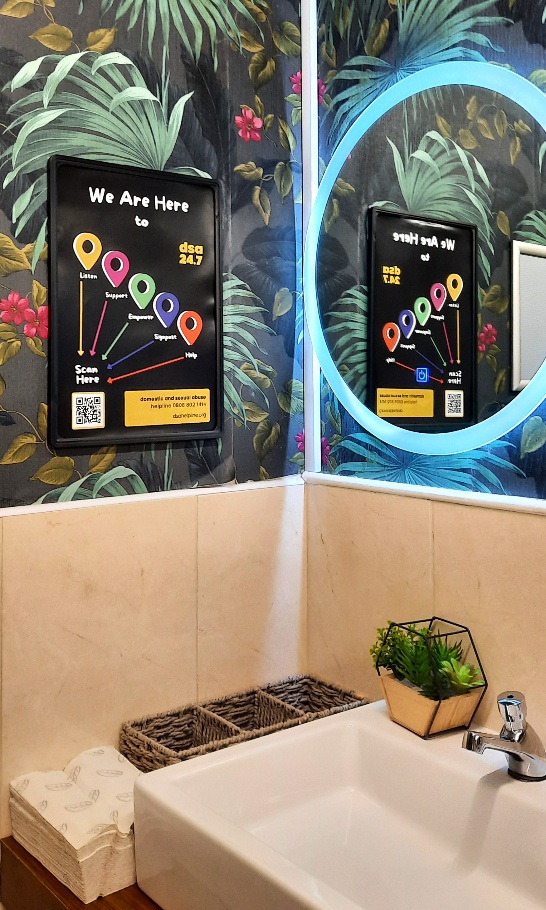
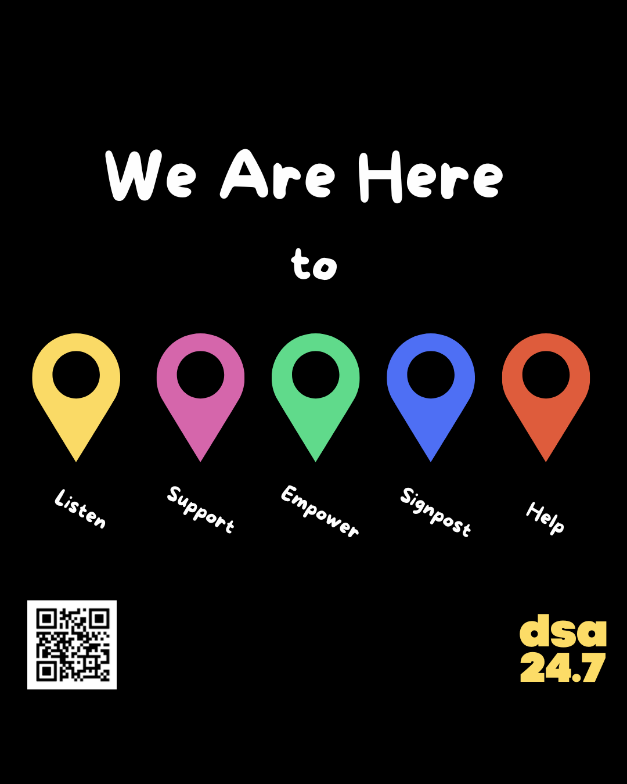
'We Are Here' is an awareness campaign designed to increase visibility and access to the Domestic and Sexual Abuse Helpline across Northern Ireland.

Using discreet, everyday items such as loyalty cards, key fobs and mirror stickers, the campaign provides safe and subtle ways for people to access helpline information in public spaces.

The campaign aimed to:

  • Increase first-time contact with the helpline
  • Reach underrepresented communities and areas
  • Raise awareness of domestic and sexual abuse
  • Provide accessible materials for public spaces and frontline workers

In the News

Read the latest updates and stories relating to domestic and sexual abuse.

Leave site